Noctalgia: Losing the Night Sky
Written as an assembly speech on light pollution and the loss of the night sky. Shared here in written form, with minor edits for clarity.
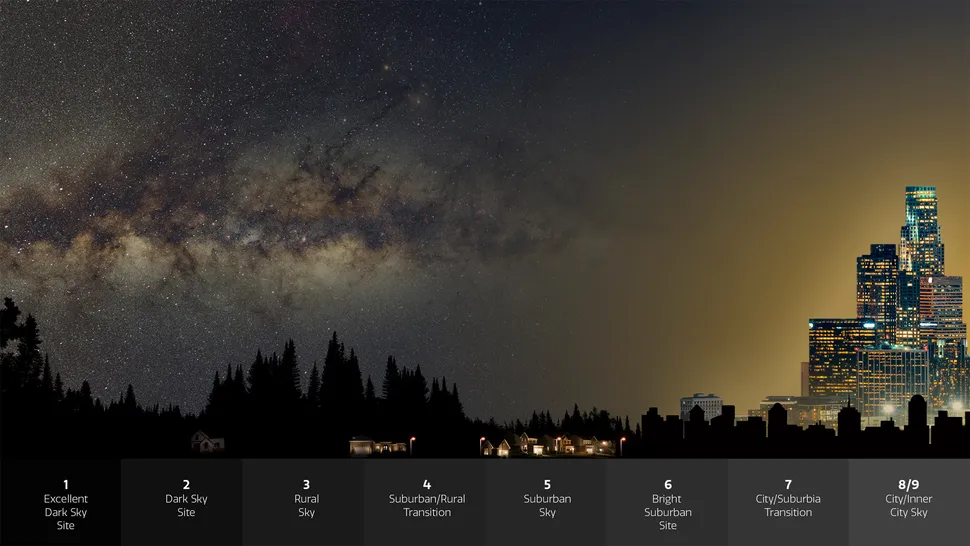
In my oldest memories, the sky would not look dark. It would look a dull, greyish colour, with very few stars, some of them being planets that would not twinkle at all. And some would be satellites, moving with a constant glow. The first time I really saw the real night sky was in my village... and the sight took my breath away.
Respected Principal, Professors, and my dear seniors and batchmates. Today, I, Manisha Minj of the Radhakrishnan House, stand before you to present today’s topic. Today’s topic of the day is:
Noctalgia
Many of you may not have heard this word before. That is because this word was coined in 2023, by astronomers Aparna Venkatesan and John Barentine. The spelling is N O C T A L G I A, combining two words from two different languages: “Noct” meaning night, and “al-gia” meaning pain or grief. Thus, this word literally means ‘Night Grief’, or ‘the feeling of loss of the night sky, and all the cultural heritage associated with it’.
This word is dear to my heart. For a child who was extremely interested in space, who still looks up to the sky, searches for constellations and asterisms, finds joy in searching for the North Star... this word described something I could never fit into words.
For centuries, our ancestors have been using the stars to guide their way. The Polaris, also called the North Star, acted as the Compass when they didn't exist. Our cultures are deeply intertwined with the night sky:
- the 12 Zodiac Signs or 12 Rashi being actual constellations;
- the 27 Lunar Mansions or Nakshatra that define the basis of Hindu Lunar Calendar;
- Bihu being decided by Star and constellation patterns, specifically the Pleiades or Kritika constellation determining when Kati Bihu will take place;
... and many more. And it is not just our culture and religion that is impacted. Many religions and cultures around the world are losing this night sky, that was the foundation of several cultures and traditions around the world.
Now the question is: Why are we losing this night sky? This is happening because of Light Pollution. This pollution is due to overuse of lights during the night, especially in the cities. This is why in cities, the night sky looks grey and bright, and very little stars can be seen there. And as development progresses further, the night skies will get brighter and stars will get dimmer, until they start vanishing.
The impact of light pollution is not just on our night sky; our environment suffers too. Insects, Migratory Birds, Sea Turtles, Mammals, and even Plants are negatively impacted because of light pollution. This leads to severe ecological impact that goes ignored, because there is much less awareness about Light Pollution.
The most obvious warning sign of all this is our night sky, which gets brighter and greyer each day, and the number of stars we can see decreases. Here, in Namrup, we luckily have dark skies, where we can still see Saptrishi and Nataraja clearly. But soon, we may lose this sky too. So please, cherish this night sky, while we can still see the stars.
As I conclude, I would like to recite a few lines from one of my old poems:
The night sky
Shines bright and grey
As it takes and takes
The shapes of constellations
The search of comets
The young eyes, freshly
Learning of celestials
It steals and takes
As it's own beauty it rips out
And lets it fall to the ground
Left behind, as it walks forward
In the name of Progress
Image credit: NOIRLab/NSF/AURA, P. Marenfeld